
Poly-Cotton Blend Ratios Decoded: Choosing the Right Uniform Fabric Blend for Saudi Workforces
A procurement-focused guide to uniform fabric blends — 100% cotton, 65/35, 80/20, 50/50 and 100% polyester — comparing durability, comfort and heat performance across Saudi sectors.
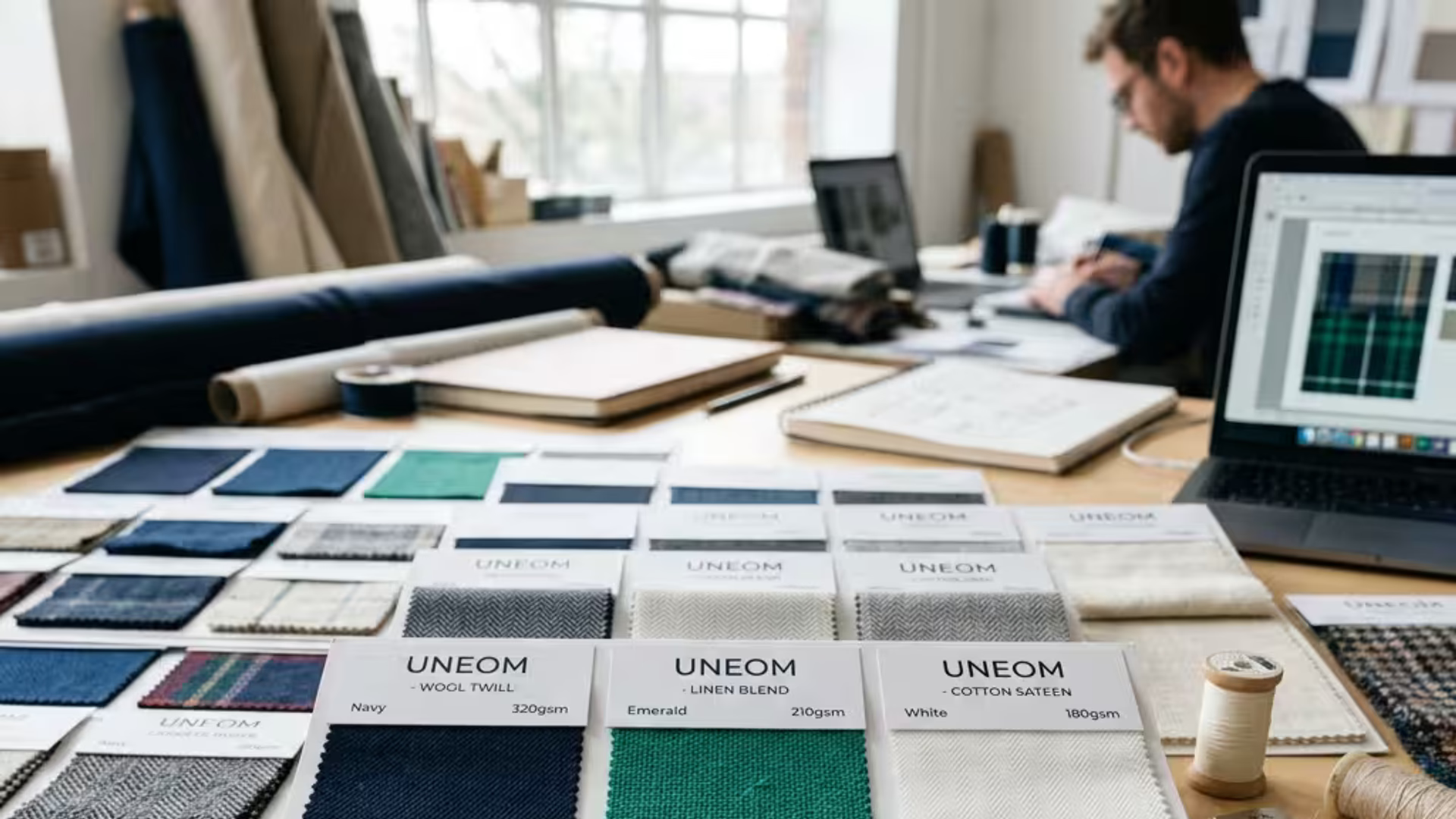
Choosing a poly cotton blend ratio for uniforms is a programme decision, not a fabric whim. The split between polyester and cotton governs durability, comfort, breathability, wrinkle resistance and cost-per-wear. This guide decodes the common blends — 100% cotton, 65/35, 80/20, 50/50 and 100% polyester — so procurement teams match fabric to sector and to Saudi heat.
Why the ratio matters
The numbers on a fabric label describe a fixed trade-off. Polyester is a synthetic fibre that is strong, hydrophobic, dimensionally stable and resistant to wrinkling, abrasion and shrinking; it also holds dye well, giving good colourfastness. Cotton is a natural fibre that absorbs moisture, breathes and feels soft against skin, but creases easily, can shrink and wears faster at stress points. A blend ratio simply sets where on that spectrum a uniform sits. A higher polyester content improves durability, wrinkle resistance, colour retention and easy-care laundering, while reducing breathability and that natural cotton hand-feel. A higher cotton content does the reverse. For a Saudi uniform programme run across hundreds or thousands of garments, the right poly cotton blend ratio for uniforms is the one that balances wearer comfort against laundry cycles, replacement frequency and the demands of each role.
100% cotton and 100% polyester: the extremes
The pure fibres frame the decision. One hundred percent cotton offers the most breathable, skin-friendly hand and is the natural choice where comfort or a premium feel dominates, but it creases readily, shrinks if not pre-treated and shows the fastest wear under heavy laundering. It also dries slowly, which matters in humid coastal cities. One hundred percent polyester sits at the opposite pole: highly durable, wrinkle-free, fast-drying, colour-stable and dimensionally reliable wash after wash, making it attractive for high-turnover or appearance-critical roles. Its weakness is breathability — untreated polyester traps heat and can feel clammy in Saudi summer conditions, and it is prone to retaining odour. Most professional uniform programmes therefore avoid both extremes and reach for an engineered blend that captures the strengths of each fibre while softening their weaknesses.
65/35 vs 80/20: the workhorse blends
The 65/35 vs 80/20 uniform fabric question is the one procurement teams ask most. A 65/35 polycotton — roughly two parts polyester to one part cotton — is the classic all-rounder: durable and easy-care from the polyester, with enough cotton to breathe and feel comfortable through a long shift. It presses cleanly, holds colour and tolerates frequent industrial laundering, which is why it dominates corporate, retail and general service uniforms. An 80/20 blend pushes further toward polyester, gaining wrinkle resistance, shape retention and longevity at the cost of some breathability and softness. It suits roles where a crisp, consistent appearance and minimal ironing outweigh maximum comfort. Neither is universally better; the choice turns on whether your priority leans toward the durable end or the comfortable end of the durable versus comfortable uniform fabric balance.
50/50 and the comfort-led blends
A 50/50 polycotton splits the difference evenly, and it is the blend to consider when breathability and a softer, more natural feel rise up the priority list without abandoning easy care. The larger cotton share improves moisture absorption and next-to-skin comfort, helpful for staff who are active or work in warm indoor environments, while the polyester half still contributes wrinkle resistance, strength and colour retention well beyond pure cotton. The trade-off is that a 50/50 typically creases a little more and may wear marginally faster than a polyester-dominant blend under aggressive laundering. For programmes that lean toward comfort — and many healthcare and hospitality settings do — a 50/50 or a cotton-rich blend with a small synthetic content is often the best fabric blend workwear compromise, delivering wearer satisfaction without the maintenance burden of all-cotton.
Matching blends to sectors
Sector context should drive the ratio. Corporate and office-facing uniforms reward a polyester-forward polycotton uniform blend such as 65/35 or 80/20, where crisp appearance, colourfastness and low ironing matter more than breathability in an air-conditioned setting. Industrial and outdoor roles call for robust, abrasion-resistant constructions, and where flame-resistant or high-visibility performance is required the base fibre and any treatments are specified by safety standards rather than comfort preference. Healthcare favours comfort, easy sanitisation and durability through frequent hot washes, so balanced blends and softer cotton-rich constructions are common, alongside polyester where colour and stain performance count. Hospitality spans both worlds — front-of-house often wants a refined look from a polyester-rich blend, while kitchen and active back-of-house staff benefit from more cotton for breathability. As an in-Kingdom manufacturer since 2013, UNEOM specifies the blend per role rather than imposing one fabric across a whole organisation.
Saudi heat and cost-per-wear
Two factors deserve weight in any Saudi specification: thermal comfort and lifetime cost. In summers approaching 45–50°C, breathability is not a luxury, so for outdoor or non-conditioned roles a higher cotton share, a lighter fabric weight, or moisture-management finishes help wearers stay cooler and drier than dense, untreated polyester would. Modesty and coverage requirements add to the case for fabrics that breathe well under fuller cuts. On cost, the headline price per garment misleads; cost-per-wear is what governs a budget. A more durable polyester-rich blend may cost more upfront yet survive more wash cycles before replacement, lowering lifetime cost for high-laundering roles, while a comfort-led blend may need replacing sooner but raises wearer satisfaction and compliance. The right answer weighs both, role by role, across the programme.
Frequently asked questions
What is the best poly cotton blend ratio for uniforms?
There is no single best ratio; it depends on the role. A 65/35 polycotton is the most versatile choice for corporate, retail and general service uniforms, balancing durability with comfort. Lean toward 80/20 or 100% polyester for appearance-critical, high-laundering roles, and toward 50/50 or cotton-rich blends where breathability and softness matter most.
Is 65/35 or 80/20 better for uniform fabric?
Both are durable, easy-care polycotton blends. A 65/35 has more cotton, so it breathes and feels slightly softer through a long shift, making it the popular all-rounder. An 80/20 leans further into polyester for stronger wrinkle resistance, shape retention and longevity, at the cost of some breathability. Choose based on whether comfort or crisp appearance is your priority.
Which uniform blend is best for Saudi summer heat?
For outdoor or non-air-conditioned roles in 45–50°C summers, prioritise breathability: a higher cotton share, a lighter fabric weight, or moisture-management finishes help wearers stay cooler and drier than dense untreated polyester. In air-conditioned indoor settings, a polyester-rich blend like 65/35 remains comfortable while delivering better durability and easy care.
Does more polyester mean a more durable uniform?
Generally yes. Polyester is stronger, more abrasion-resistant and more dimensionally stable than cotton, so a higher polyester content improves durability, wrinkle resistance, colourfastness and shape retention through repeated laundering. The trade-off is reduced breathability and a less natural hand-feel. The aim is to choose enough polyester for the role's wear demands without sacrificing the comfort the wearer needs.
How does blend ratio affect cost-per-wear?
Headline garment price can mislead. A polyester-rich blend may cost more upfront but survive more wash cycles before replacement, lowering cost-per-wear for high-laundering roles. A comfort-led, cotton-rich blend may need replacing sooner, yet can raise wearer satisfaction and compliance. Assess cost-per-wear role by role, weighing durability and laundry frequency against comfort, rather than judging on unit price alone.