
Electrical Safety PPE Guide for Saudi Industrial Sites
HRC1 vs HRC2, NFPA 70E in Saudi heat-soak, and the per-garment audit traceability HCIS auditors actually request.
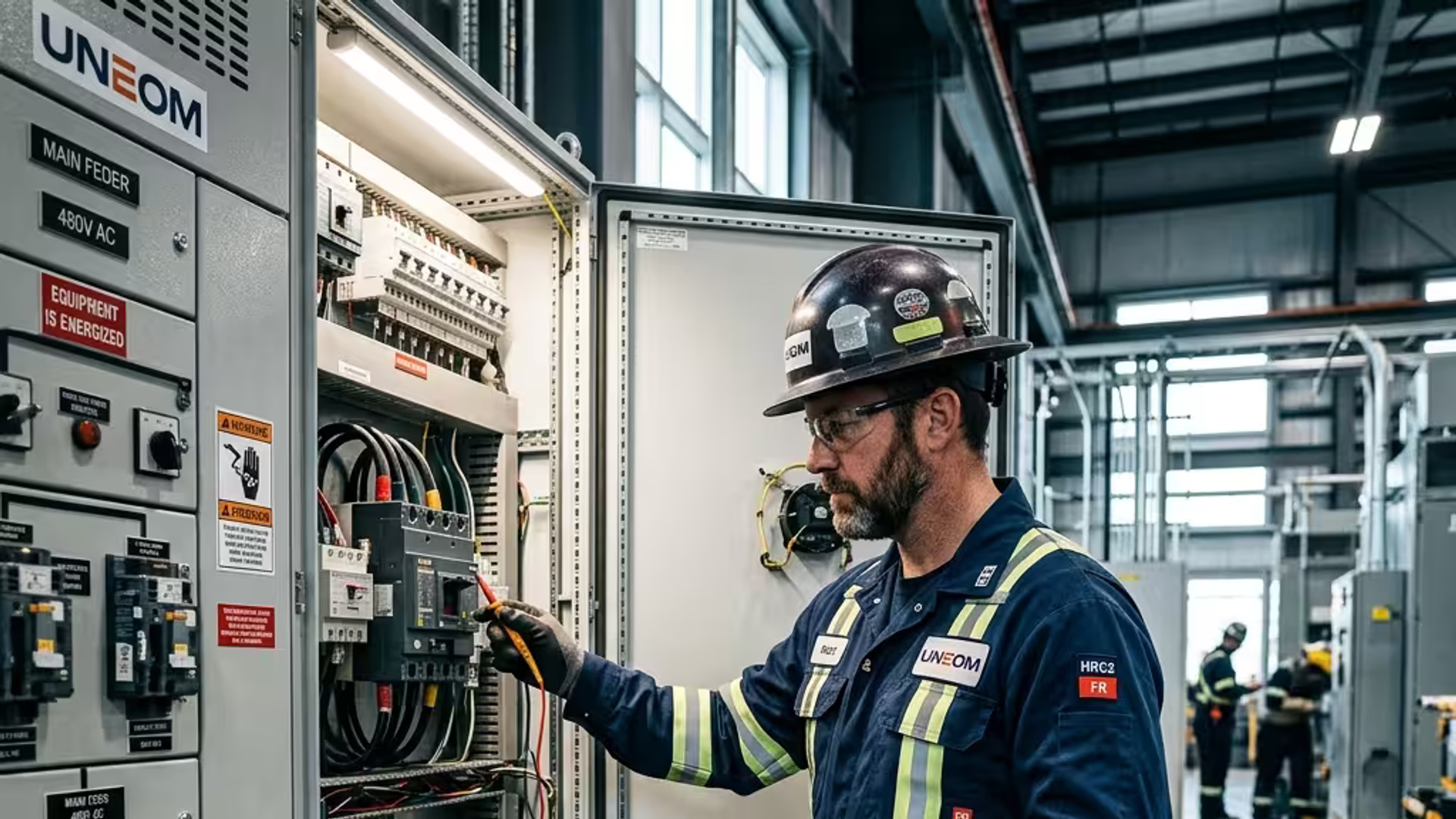
A Saudi industrial site with 500 FR coveralls is also a site with 500 audit traceability requirements.
NFPA 70E and Saudi adaptation
NFPA 70E defines the arc-flash boundary and the Hazard Risk Category (HRC) system that determines which PPE a worker wears at each distance. Saudi adaptation adds a heat-soak variable: plant-floor temperatures reaching 50°C in summer make standard FR garments a heat-stress risk. UNEOM's Saudi-adapted FR programme specifies inherent FR cotton 88/12 at 320 GSM — heavier than standard, but the fibre chemistry dissipates heat faster than lighter polyester blends in sustained heat-soak conditions. HCIS (High Commission for Industrial Security) aligns with NFPA 70E but adds per-site documentation requirements specific to Saudi industrial regulation. Every UNEOM FR coverall ships with a compliance card mapping the garment to both NFPA 70E and HCIS requirements.
HRC2 inherent FR cotton
HRC2 = ATPV ≥8 cal/cm², UL-tested. The distinction between HRC1 (ATPV ≥4 cal/cm²) and HRC2 matters at the plant-floor level: HRC1 coveralls provide insufficient protection at the arc-flash boundary distances common in Saudi petrochemical facilities. UNEOM specifies HRC2 as default for all manufacturing clients unless the site-specific arc-flash assessment justifies HRC1. The FR cotton 88/12 blend (88% cotton, 12% nylon) is inherent — the flame resistance is built into the fibre structure, not applied as a topical treatment. This means the FR property does not wash out. 100+ industrial wash cycles without degradation. The 12% nylon adds tear strength — critical for coveralls subject to daily physical stress in petrochemical environments. At 380 SAR per coverall, the cost is 8x less than the replacement, compensation, and downtime after an electrical injury with a non-certified garment.
Per-garment audit traceability
HCIS auditors do not ask "do your workers have FR coveralls?" They ask "show me the certification for coverall serial number 0417." UNEOM's per-garment traceability system assigns a unique serial number to each FR coverall, linked to: production batch, fabric lot, UL test certificate, wash-cycle count, issuance date, assigned worker, and retirement date. The system converts a multi-day HCIS audit into a 30-minute exercise. For Dammam and Jubail petrochemical clients, this traceability system runs on a web portal where safety managers can pull any serial number's complete lifecycle record. The portal also flags garments approaching wash-cycle limits — 100 cycles for HRC2 FR cotton — and triggers automatic replacement orders before compliance gaps appear.
Replacement protocol after incidents
After any arc-flash exposure, the affected FR coverall must be retired immediately — regardless of visible damage. The physics: arc-flash exposure can degrade the fibre structure at the molecular level without leaving visible marks. A coverall that looks intact may have lost 30-40% of its ATPV rating. UNEOM's incident-replacement protocol: the safety manager scans the serial number, the system flags it as retired, and a replacement is dispatched within 48 hours from the nearest hub (Riyadh, Jeddah, or Dammam). The retired garment is documented in the audit trail — HCIS requires proof of retirement, not just proof of replacement. For sites with 500+ coveralls, UNEOM maintains a 5% buffer stock at the regional hub to ensure zero-downtime replacement after incidents.