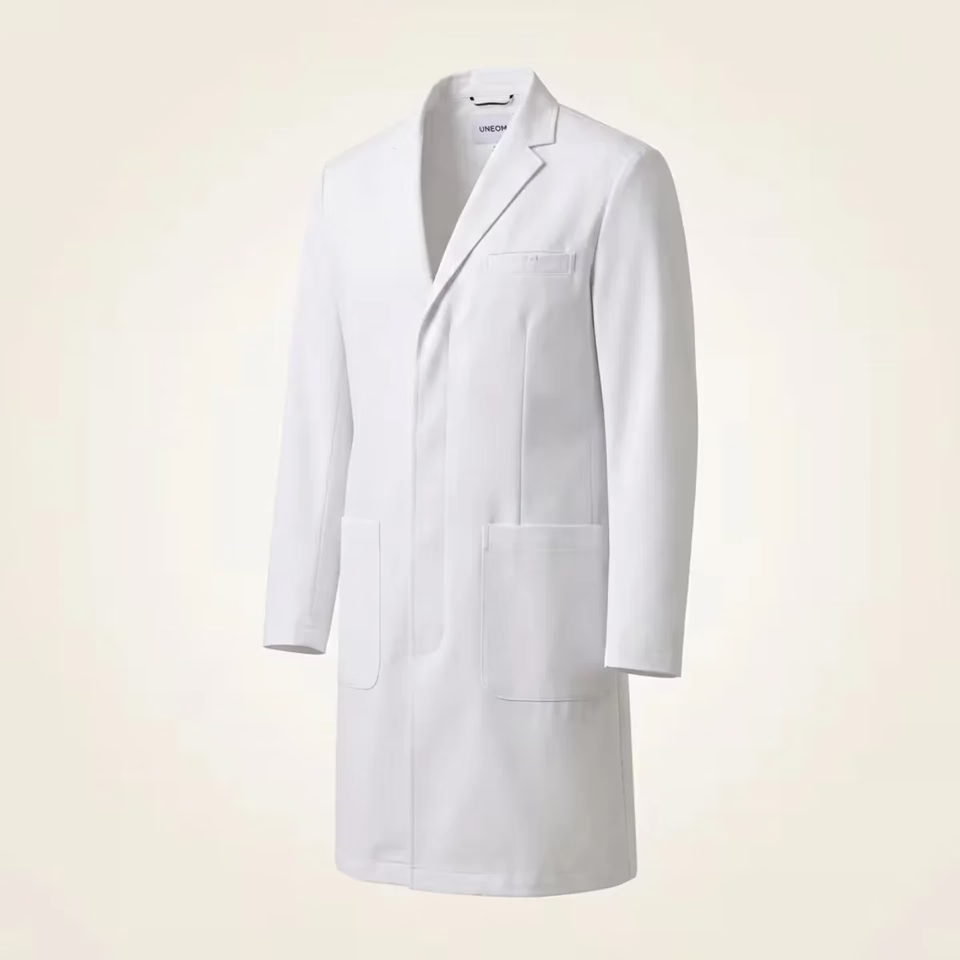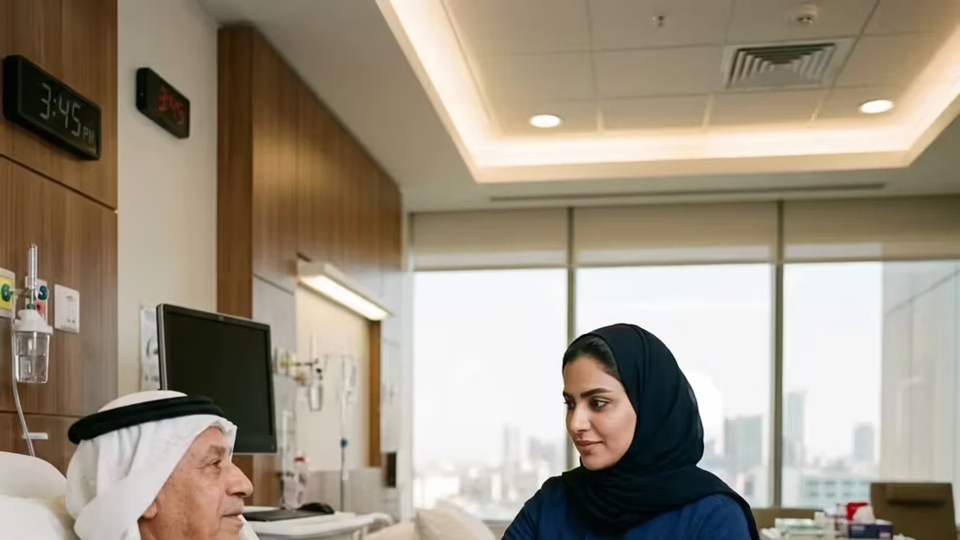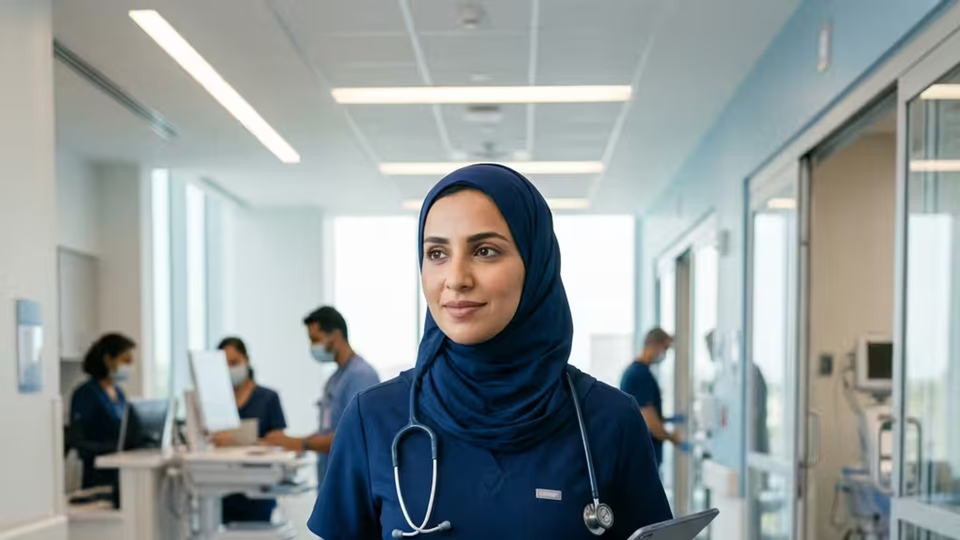
How Saudi Medical Scrubs Have Evolved Since 2013
Twelve years of fabric science, modesty engineering, and operational realities — what changed in Saudi medical uniforms, and what didn't.
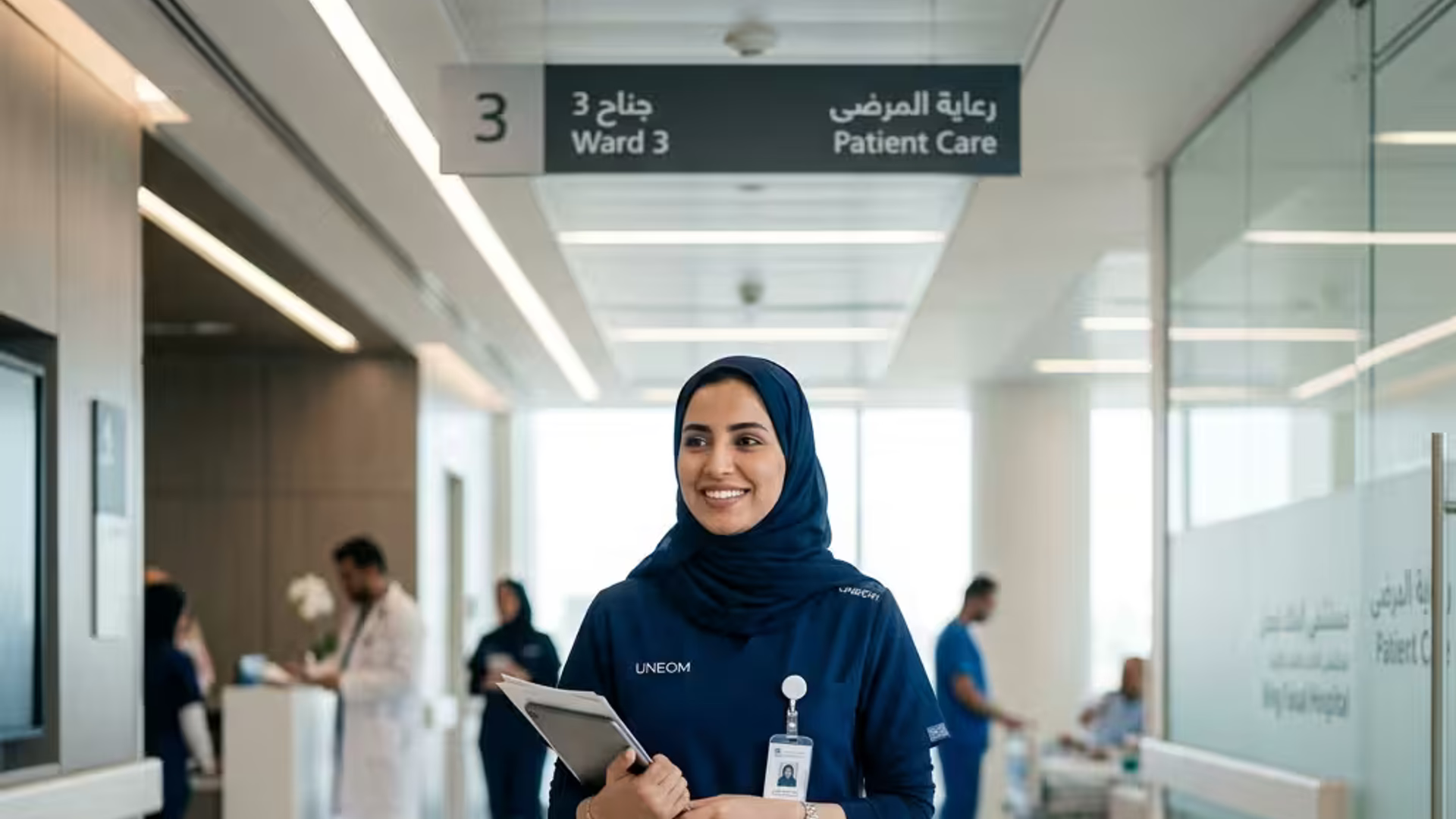
Unlike 100% cotton scrubs that lose antimicrobial integrity after 30 wash cycles, Saudi hospitals in 2026 run scrubs through 4.2 wash cycles per shift — 38% above the global benchmark. Twelve years ago, that workload would have failed any fabric on the market. The story of how the industry caught up is also the story of how UNEOM measures performance: by what survives the laundry, not what photographs well.
The 2013 baseline
A short audit of what Saudi hospitals were buying in 2013, and why it cost them more than the price tag suggested.
The fabric shift
How polyester-cotton 65/35 with bonded antimicrobial finishes replaced 100% cotton — and why some hospitals still resist.
Modesty engineering
Hijab-integrated tops, side-vent gowns, and the design conversations that happen in Saudi hospital procurement meetings.
What 4.2 wash cycles teaches
The operational truth nobody publishes: most uniform failures are wash failures, not wear failures.
What we got wrong
A line of UNEOM scrubs we recalled in 2019, what we learned, and the QA programme that came out of it.
Frequently asked
- What fabric do Saudi hospitals use most for scrubs?
- Polyester-cotton 65/35 with bonded silver-ion or Triclosan-free antimicrobial treatment is the dominant blend in MoH-compliant programmes.
- How often should scrubs be replaced?
- Standard healthcare scrubs in Saudi hospitals last 12–18 months at typical wash cycles. UNEOM's healthcare line carries an 18-month warranty.
- Can scrubs be hijab-integrated?
- Yes. UNEOM produces hijab-integrated scrub tops and matching FR-rated head covers designed with practising Saudi clinicians.
- Are antimicrobial scrubs worth the premium?
- In hospitals running >2 wash cycles per shift, yes. The fabric retains efficacy past 80 industrial wash cycles, validated against AATCC 100.
- Does UNEOM source domestically?
- Production is in-Kingdom; some technical fabrics are imported under SASO compliance and OEKO-TEX certification.