
Faith Meets Healthcare Safety
In Saudi Arabian healthcare facilities, the hijab is not just a religious requirement—it's an integral part of professional medical attire that must meet the same rigorous safety and infection control standards as any other piece of medical clothing. Designing medical hijabs that honor both faith and safety is a challenge that requires expertise, innovation, and deep understanding of both domains.
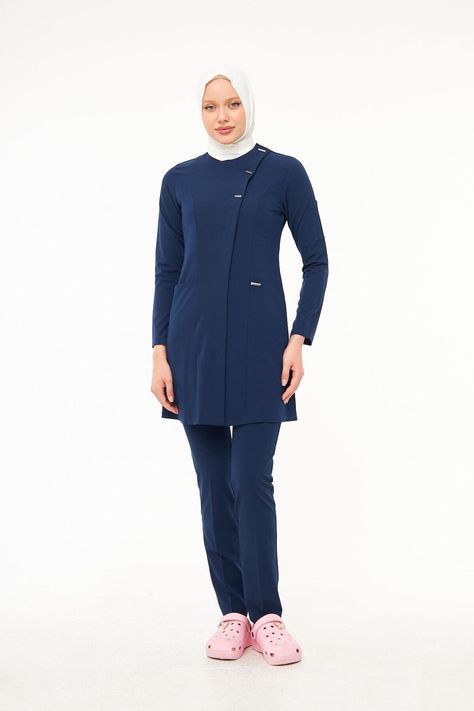
The Dual Challenge
Medical hijabs must simultaneously achieve two critical objectives:
Religious Compliance
- • Complete hair coverage
- • Neck and chest coverage
- • Modest, dignified appearance
- • Comfortable for prayer times
Clinical Safety
- • Infection control compliance
- • No contamination risk
- • Safe fastening systems
- • Easy emergency removal
Infection Control Requirements
Understanding infection control is fundamental to medical hijab design. Head coverings in healthcare settings are potential vectors for pathogen transmission if not properly designed and managed.
of healthcare-associated infections are transmitted via hands and clothing
Source: WHO Healthcare Infection Guidelines
bacterial reduction possible with properly treated antimicrobial fabrics
Source: Journal of Hospital Infection
reduction in contamination when using disposable vs. reusable head coverings in OR
Source: American Journal of Infection Control
of Saudi healthcare facilities require head covering for female staff
Source: Saudi Ministry of Health
Critical Consideration
Standard fashion hijabs are NOT suitable for clinical environments. Medical hijabs must be specifically designed with antimicrobial properties, proper fastening systems, and appropriate fabric technology to prevent healthcare-associated infections.
Essential Design Features
Secure Fastening System
CriticalNo-pin designs that eliminate sharps risks and maintain position during procedures
Design Options:
- Magnetic closures (non-MRI areas)
- Snap buttons with fabric covers
- Integrated tie-back systems
- Velcro with soft backing
- Elastic under-cap designs
Full Coverage Design
EssentialDesigns that provide complete coverage while meeting clinical requirements
Design Options:
- Extended neck coverage
- Chin coverage options
- No gaps during movement
- Secure under-scrub integration
- Layered systems for OR
Breathability Zones
HighStrategic ventilation that maintains comfort during long shifts
Design Options:
- Mesh panels in non-clinical areas
- Moisture-wicking inner layers
- Breathable crown sections
- Temperature-regulating fabrics
- Sweat-absorbing bands
Easy Don/Doff Design
CriticalQuick removal for emergencies or when leaving contaminated areas
Design Options:
- Single-pull release systems
- Pre-formed shapes
- Stretch fabric integration
- Clear front/back indicators
- Color-coded sizing
Fluid Resistance
EssentialProtection against blood, bodily fluids, and chemical splashes
Design Options:
- Fluid-repellent outer layer
- Sealed seam construction
- Splash guard integration
- Waterproof options for surgery
- Easy-clean surfaces
Antimicrobial Fabric Technology
The fabric choice for medical hijabs directly impacts infection control effectiveness, wearer comfort, and product longevity:
Antimicrobial Polyester Blend
200+ washesExcellent
Good
General ward nursing, outpatient clinics
Medical-Grade Cotton Blend
150+ washesGood
Excellent
Long-shift staff, sensitive skin
Barrier Fabric Technology
100+ washesSuperior
Moderate
Operating rooms, ICU, emergency
Disposable SMS Fabric
Single useMaximum
Basic
Surgery, isolation units, high-risk procedures
Department-Specific Guidelines
Operating Room (OR)
Requirements
- • Disposable or sterilizable hijab required
- • Full tuck under surgical cap
- • No loose fabric allowed
- • Color coordination with OR scrubs
- • Change between procedures
Restrictions
- • No metal fasteners
- • No flowing fabric
- • Must fit under surgical hood
- • No personal hijabs allowed
Intensive Care Unit (ICU)
Requirements
- • Fluid-resistant fabric mandatory
- • Antimicrobial treatment required
- • Easy don/doff for emergencies
- • Multiple daily changes available
- • Secure fit during CPR
Restrictions
- • No loose ends
- • Minimal draping
- • No decorative elements
- • Must not interfere with stethoscope
Emergency Department (ED)
Requirements
- • Quick-release design for trauma
- • Fluid-resistant properties
- • High visibility in chaos
- • Durable for physical demands
- • Easy to clean between patients
Restrictions
- • No long draping styles
- • Secure during rapid movement
- • Must allow face shield wear
- • No trip hazards
General Wards
Requirements
- • Professional appearance
- • Comfort for 8-12 hour shifts
- • Antimicrobial fabric
- • Easy laundering
- • Multiple color options
Restrictions
- • Must be hospital-provided or approved
- • Neutral or department colors
- • No excessive decoration
- • Pins discouraged
Outpatient Clinics
Requirements
- • Professional, welcoming appearance
- • Patient-friendly colors
- • Comfortable for desk work
- • Easy care fabric
- • Brand consistency
Restrictions
- • Within hospital dress code
- • Coordinated with uniform
- • Clean and pressed
- • No clinical wear outside clinic
Pediatrics
Requirements
- • Child-friendly appearance
- • Easy to clean (kids touch!)
- • Non-threatening colors
- • Secure fit for active work
- • Stain-resistant
Restrictions
- • No small detachable parts
- • No sharp edges
- • Wash after each shift
- • Dedicated pediatric set
Safety & Compliance Standards
SFDA Healthcare Textile Requirements
- Registered medical textile classification
- Antimicrobial efficacy testing
- Biocompatibility certification
- Flammability standards compliance
- Quality management certification
CBAHI Accreditation Standards
- Infection prevention compliance
- Personal protective equipment policies
- Staff dress code documentation
- Regular uniform audits
- Training on proper use
JCI International Standards
- Evidence-based infection control
- Staff safety protocols
- Documentation of PPE policies
- Regular compliance monitoring
- Incident reporting systems
Hospital Implementation Guide
Assessment Phase
- Survey current hijab practices
- Identify department-specific needs
- Consult with infection control
- Gather staff input and concerns
- Review budget constraints
Design & Procurement
- Develop department-specific designs
- Source compliant fabrics
- Create size range specifications
- Sample testing with staff
- Finalize supplier contracts
Policy Development
- Write comprehensive hijab policy
- Define department requirements
- Establish laundering protocols
- Create compliance procedures
- Develop training materials
Training & Rollout
- Train infection control champions
- Department-by-department rollout
- Individual fitting sessions
- Compliance monitoring setup
- Feedback collection system
Monitoring & Improvement
- Regular compliance audits
- Staff satisfaction surveys
- Infection rate monitoring
- Product quality tracking
- Continuous improvement
Care & Maintenance
Daily Care
- Change hijab daily minimum, more if contaminated
- Store in clean, dry location when not in use
- Do not share hijabs between staff members
- Inspect for damage before each use
- Remove immediately if contamination occurs
Laundering
- Wash at 60°C minimum (healthcare standard)
- Use hospital-approved detergent
- Do not mix with home laundry
- Tumble dry on high heat when fabric allows
- Iron on appropriate setting for disinfection
Replacement
- Replace every 6-12 months depending on use
- Immediate replacement if damaged or stained
- Track wash cycles for antimicrobial fabrics
- Maintain minimum 5 hijabs per staff member
- Budget for regular replacement cycle
Storage
- Store in designated clean area
- Use individual labeled bags or lockers
- Keep away from contaminated items
- Ensure proper ventilation
- Separate clean from soiled
Equip Your Healthcare Team with Compliant Medical Hijabs
UNEOM partners with Saudi Arabia's leading hospitals to provide medical hijabs that meet the highest standards of infection control while honoring religious requirements.