Luxury Retail Staff Uniform Design: Dressing the Brand
How Saudi luxury retailers specify staff uniforms that survive close inspection: cloth and construction, a disciplined palette, controlled accessories, elegant modest options, and appearance that holds all shift.
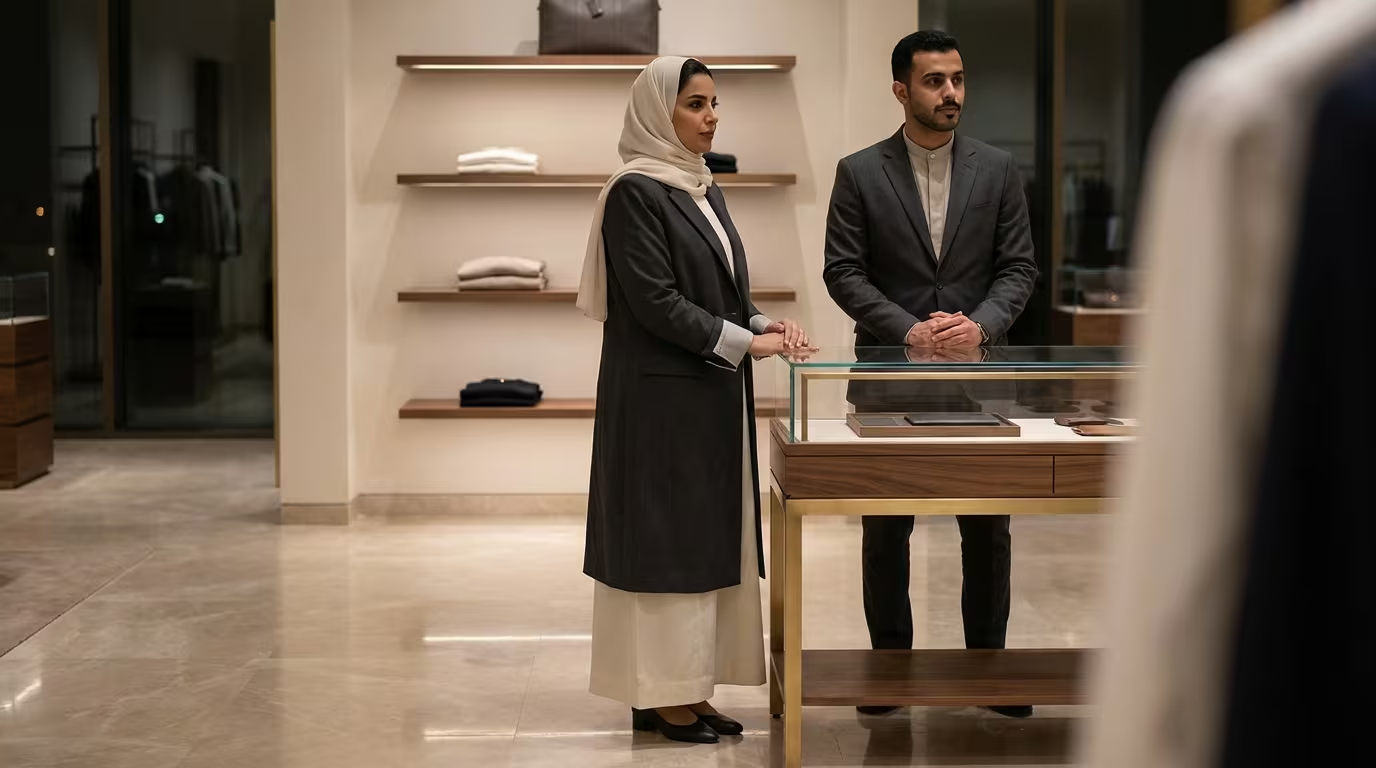
In a luxury store, the person serving is part of the product experience. Customers stand close enough to read a seam, and display lighting shows everything. A luxury retail staff uniform therefore has to hold its quality under scrutiny, across a full shift, and across every reorder — which makes it a specification problem, not a styling one.
Seen at Arm's Length
Luxury retail is one of the few environments where a uniform is examined at conversation distance for minutes at a time. A customer considering a significant purchase stands close, watches hands move across a counter, and reads the garment the way they read the product: stitch density, the way a lapel rolls, whether a cuff has begun to fray. Store lighting compounds this. Display lighting is engineered to flatter merchandise, which means it is unforgiving to anything worn nearby — it reveals pilling, shine at the elbows, thread ends, and colour that has drifted from its original tone. In a warehouse or a back office, a tired garment reads as ordinary; on a boutique floor it reads as a statement about how the business treats detail. In Saudi destination malls, where evening dwell times are long, that scrutiny is sustained rather than momentary. This is why a luxury retail staff uniform belongs in the brand budget rather than the facilities budget, and why specification decisions should involve the people responsible for store presentation alongside HR and procurement.
Cloth and Construction
Fabric choice for a high-end boutique uniform is a negotiation between hand, structure and endurance. Wool and wool-rich blends drape softly and recover from creasing well, which is why tailored pieces so often start there, but they need considered care and are warm for staff who move between an air-conditioned floor and a loading area. Cotton and cotton blends feel breathable and pleasant against the skin, and cotton fibres are stronger wet than dry, though pure cotton creases readily and needs pressing discipline. Regenerated cellulosics give a fluid, expensive-looking drape, though viscose in particular loses considerable strength when wet while lyocell holds it far better, so they demand gentler laundering. Polyester and elastane content buys wrinkle recovery, shape retention and colour stability at some cost to breathability and hand. There is no single correct answer, only a clear brief. Decide which properties matter most on your floor, then test candidate cloths on real staff for a full trading day before committing. Construction matters as much as cloth: interlinings, seam finishing, button quality and hem weight separate a garment that hangs well from one that merely fits.
A Disciplined Palette
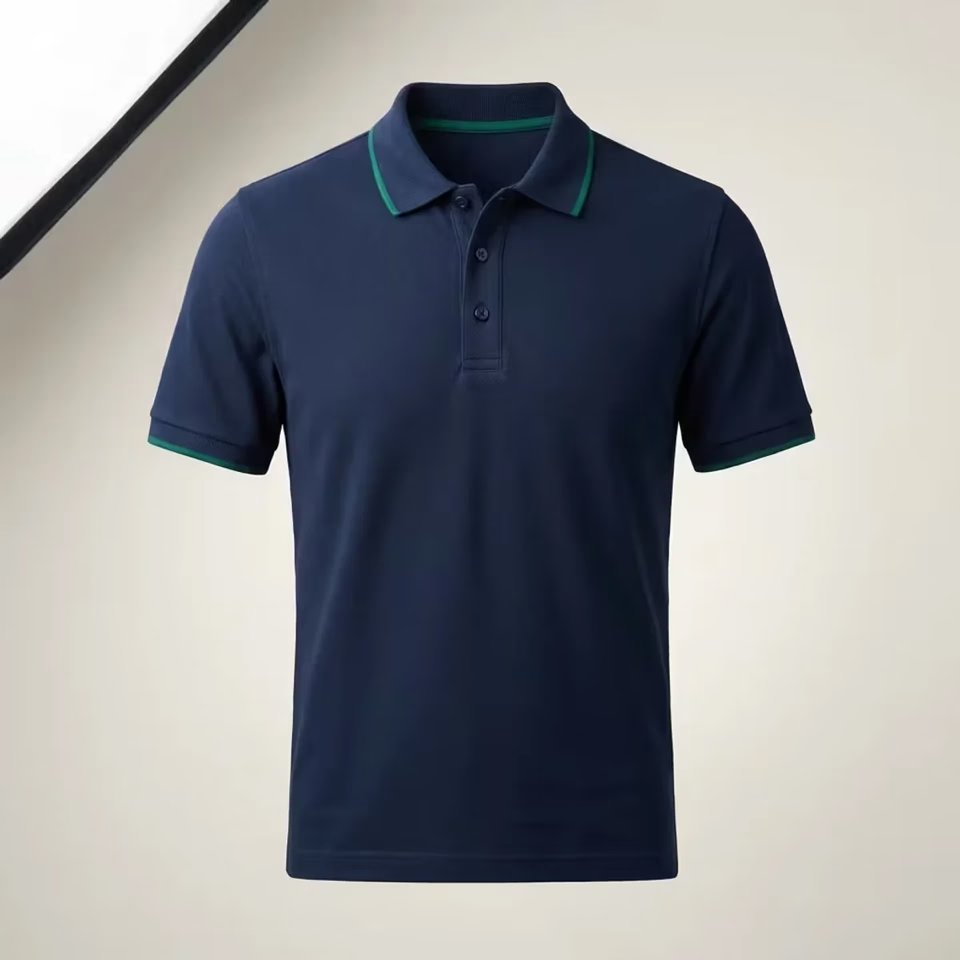
Restraint is the defining colour strategy for luxury store staff attire. A tight palette — usually a deep neutral, a lighter neutral, and a single accent drawn from the brand's identity — keeps the team legible as a group without competing with the merchandise or the interior. Two practical issues follow. The first is that colour behaves differently under different light: a shade approved under daylight or office lighting can read differently under the warm accent lighting of a sales floor, so approve colours on the actual cloth, in the environment where they will be seen, not on a screen or a printed swatch. The second is consistency over time. Uniforms are replaced in waves rather than all at once, and a colour that drifts between production runs creates a floor where new starters and long-serving staff visibly do not match. Ask your manufacturer how shade matching is handled between batches, keep sealed reference samples, and hold the same cloth specification for every component in the palette. Consistency across reorders is a manufacturing question as much as a design one, and it belongs in the contract.
Accessories and Grooming
Accessories are where a premium retail dress code most often loses discipline. Left unspecified, staff supply their own belts, shoes, watches and jewellery, and within a season the floor looks assembled rather than designed. The remedy is a written dress code that is specific without being punitive: name the permitted footwear styles and colours, define whether the badge sits on the left or the right and how it attaches, state whether a scarf is issued and how it may be worn, and set a clear, respectfully worded position on visible jewellery, fragrance and nail presentation. Issue the pieces that carry the brand — the badge, the scarf, the tie, the apron where one is used — rather than describing them and hoping. Where staff buy their own shoes, give an allowance and a photographed standard so expectations are unambiguous. Publish the code in Arabic and English, brief line managers on how to apply it consistently, and review it after the first season, because rules written at a desk always meet situations the desk did not anticipate.
Modest Elegance
Saudi retail floors are increasingly staffed by Saudi women, and a premium uniform programme has to offer genuinely elegant modest options rather than a longer version of the standard shirt. In practice that means designing the modest line first, not adapting it afterwards: fuller-cut tunics and longer jackets that fall cleanly without clinging, sleeve lengths that stay in place when an arm is raised to a high shelf, higher necklines cut so the collar sits correctly, and coordinating pieces that layer well over or under an abaya without bulk at the shoulder. Headscarves, where worn, should be offered in the palette's own colours and in a fabric that holds its drape through a shift. The principle is choice within one visual language: every option should look like it came from the same design intent, so a woman who chooses fuller coverage and a colleague who does not are equally on-brand. Consult the women who will wear the garments during fitting, and let their feedback on movement, comfort and coverage shape the final specification rather than confirm it.
Holding the Standard
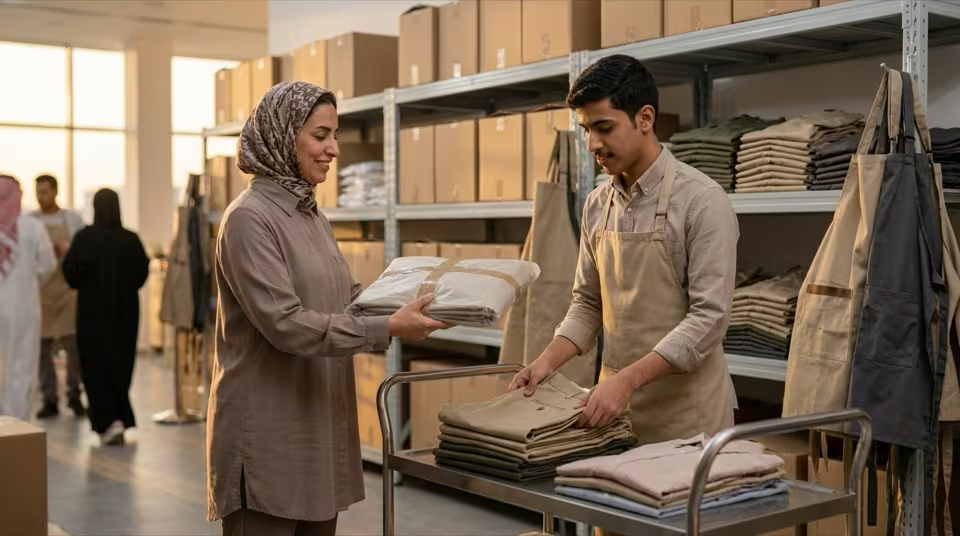
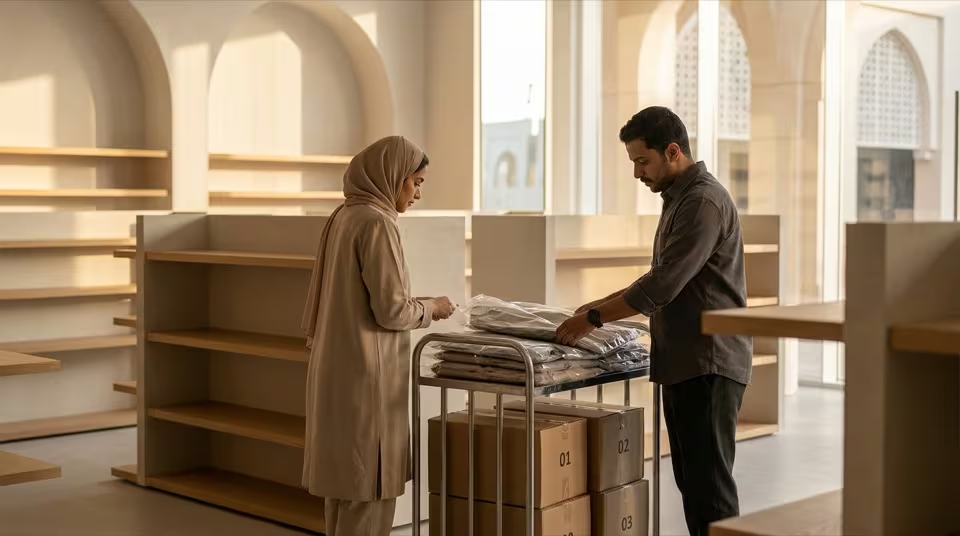
A uniform that photographs well on day one and looks tired by the third month has failed. Appearance through the shift is designed in: cloths chosen partly for wrinkle recovery, cuts that allow reaching and kneeling without pulling the garment out of line, and enough sets per person that nothing is worn two days running. Because staff cross from a cooled floor to a stockroom or a service corridor and back, and because the walk to the car in a Saudi summer is punishing, breathability and quick recovery matter more than they would in a milder climate. Set a replacement rhythm rather than waiting for complaints — a simple monthly walk-through, judged under store lighting, catches fading and wear before customers do. Keep a small buffer of common sizes for new starters, agree lead times for reorders in advance, and hold care instructions in Arabic and English where laundry actually happens. UNEOM has manufactured inside the Kingdom since 2013, works to ISO 9001:2015, and holds OEKO-TEX Standard 100 certification; local production shortens reorder cycles and keeps quality accountable close to home.
Frequently asked
- What makes a luxury retail staff uniform different from a standard retail uniform?
- Distance and duration. In premium retail the garment is examined at conversation range, under lighting designed to flatter merchandise, for the length of a considered purchase. That exposes cloth quality, seam finishing and colour drift that pass unnoticed elsewhere. The specification therefore prioritises hand, drape, construction detail and long-term appearance retention over unit cost alone.
- Which fabrics suit a high end boutique uniform in the Saudi climate?
- There is no universal answer, only trade-offs. Wool-rich cloth drapes and recovers from creasing well but runs warm; cotton is breathable and comfortable; viscose looks fluid but weakens when wet; polyester and elastane add wrinkle recovery and shape retention at some cost to breathability. Trial shortlisted cloths on staff for a full trading day before deciding.
- How many uniform sets should each employee receive?
- Enough that no set is worn on consecutive days and one is always in reserve during laundering, which in practice means more than two sets, adjusted for shift patterns, laundry turnaround and how physical the role is. Stockroom-heavy roles need more. Set the figure with store managers and revisit it after the first season.
- How should a premium retail dress code handle modest dress?
- By designing modest options into the core range rather than adding them later, and by offering choice within one visual language. Longer jackets and fuller-cut tunics, considered sleeve and neckline construction, and pieces that layer cleanly with an abaya keep every option on-brand. Involve the women who will wear the garments in fitting sessions, and word the policy respectfully.
- How do we keep colour consistent when we reorder?
- Treat shade continuity as a contractual item. Keep sealed reference samples, agree with the manufacturer how batches are matched to them, and approve colour on the actual cloth under your store's lighting rather than on screen. Ordering full replacement waves instead of trickling individual pieces also reduces visible mismatch on the floor.