
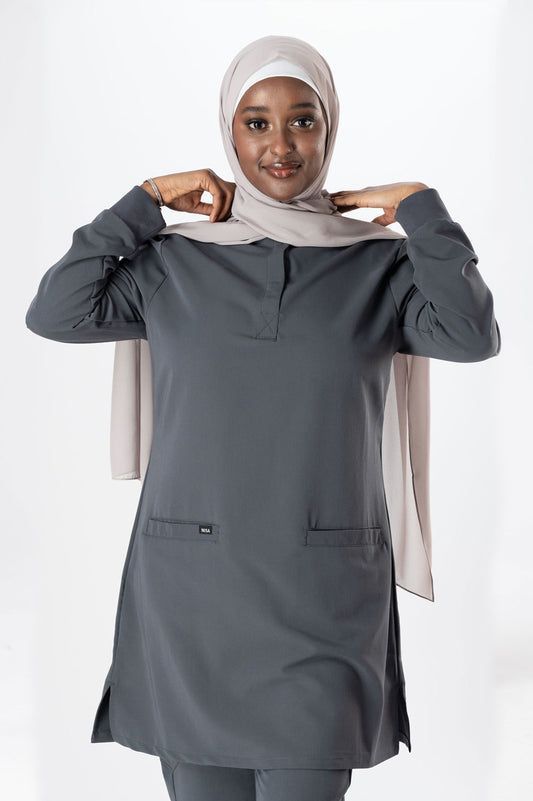
The Sacred Responsibility
Serving pilgrims during Hajj and Umrah is among the most honored responsibilities in the Kingdom of Saudi Arabia. The uniforms worn by service staff are not merely functional garments—they represent the Kingdom's commitment to hospitality, respect for the sacred journey, and the highest standards of service excellence.
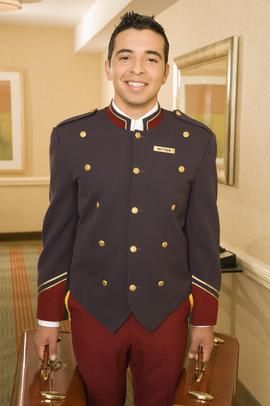
The Scale of Service
Unique Requirements
Hajj and Umrah service uniforms face challenges unlike any other hospitality environment:
Extreme Heat Performance
Staff work in temperatures exceeding 45°C during peak Hajj season
Crowd Navigation
Staff must be easily identifiable among millions of pilgrims
Religious Respect
Uniforms must respect the sanctity of the Holy Cities
Multilingual Service
Staff serve pilgrims from 180+ countries speaking different languages
Extended Shifts
Many staff work 12-16 hour shifts during peak periods
Hygiene Standards
Close contact with pilgrims requires impeccable hygiene
Sector-Specific Guidelines
Hotel & Accommodation
- Elegant appearance befitting pilgrim expectations
- Clear department differentiation
- Modesty standards for all staff
- Comfortable for long standing periods
- Easy identification for guest assistance

Transport & Logistics
- High visibility for safety
- Durable for active work
- Pockets for communication devices
- Sun protection for outdoor work
- Reflective elements for night operations
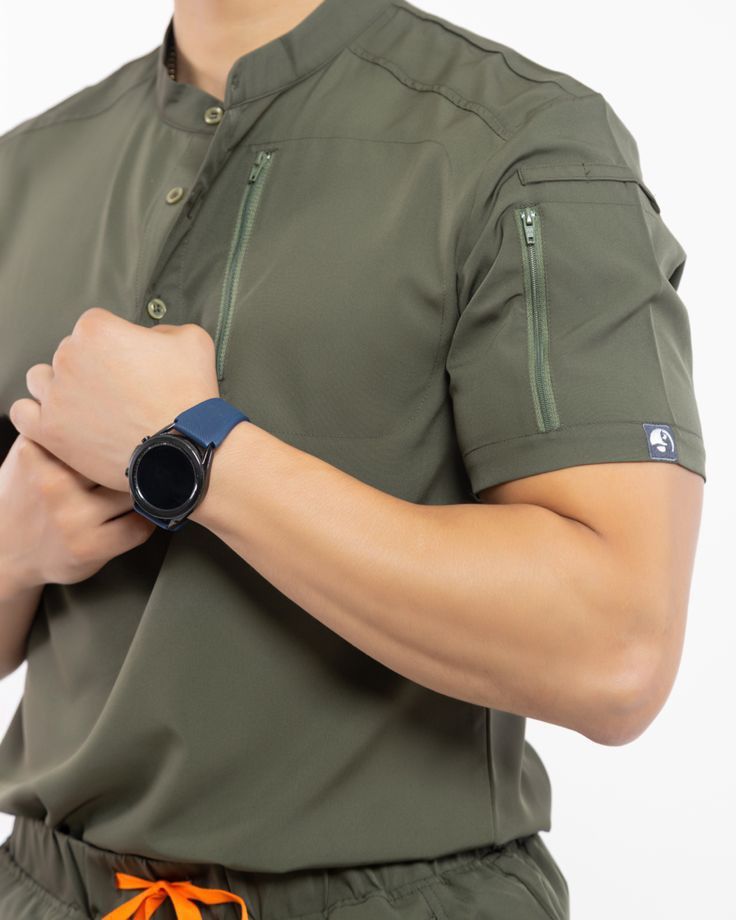
Healthcare Support
- Immediate recognition as medical personnel
- Functional pockets for equipment
- Easy to clean and sanitize
- Comfortable for physical assistance
- Clear language identification
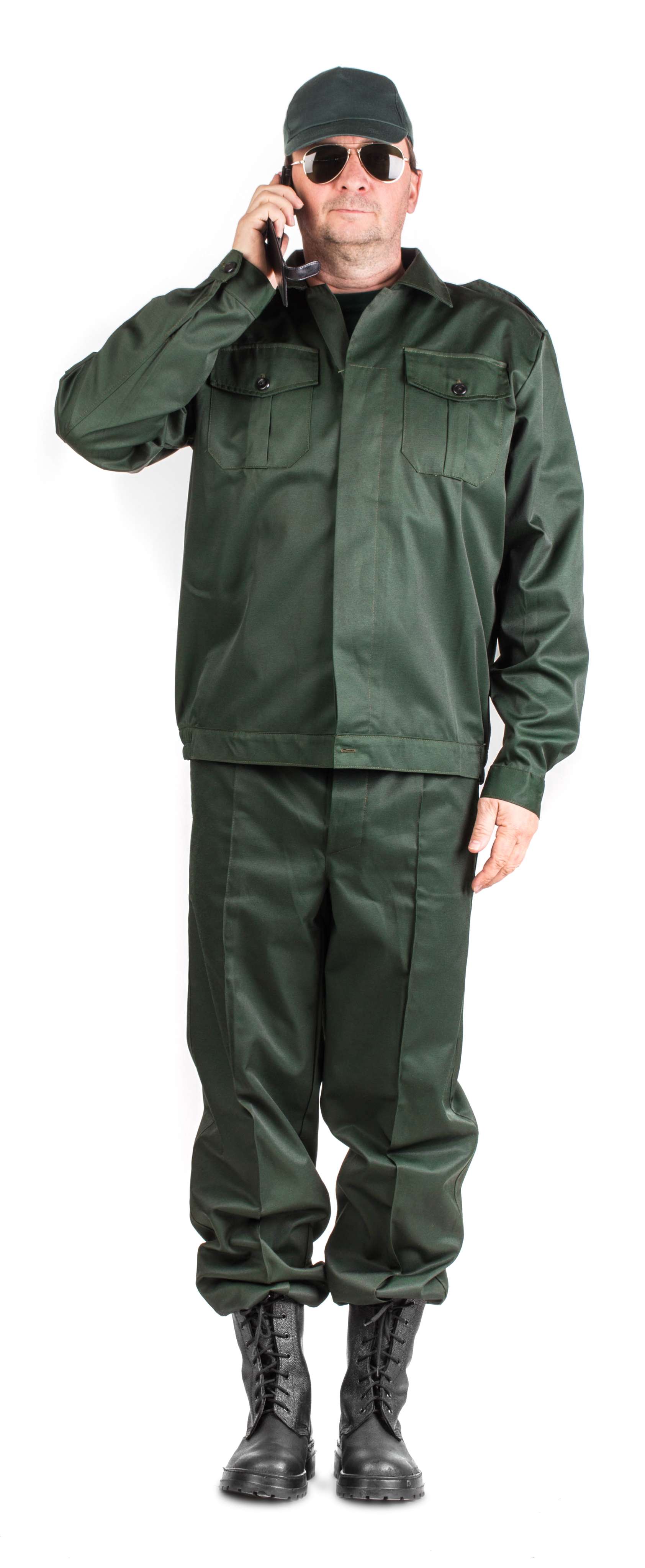
Guidance & Information
- Approachable yet authoritative appearance
- Multiple language badges
- Comfortable for walking tours
- Professional appearance for religious guidance
- Easy identification at information points

Food & Catering
- Food safety compliance
- Heat-resistant for kitchen work
- Stain-resistant materials
- Hairnets and hygiene accessories
- Clear food handling certification display
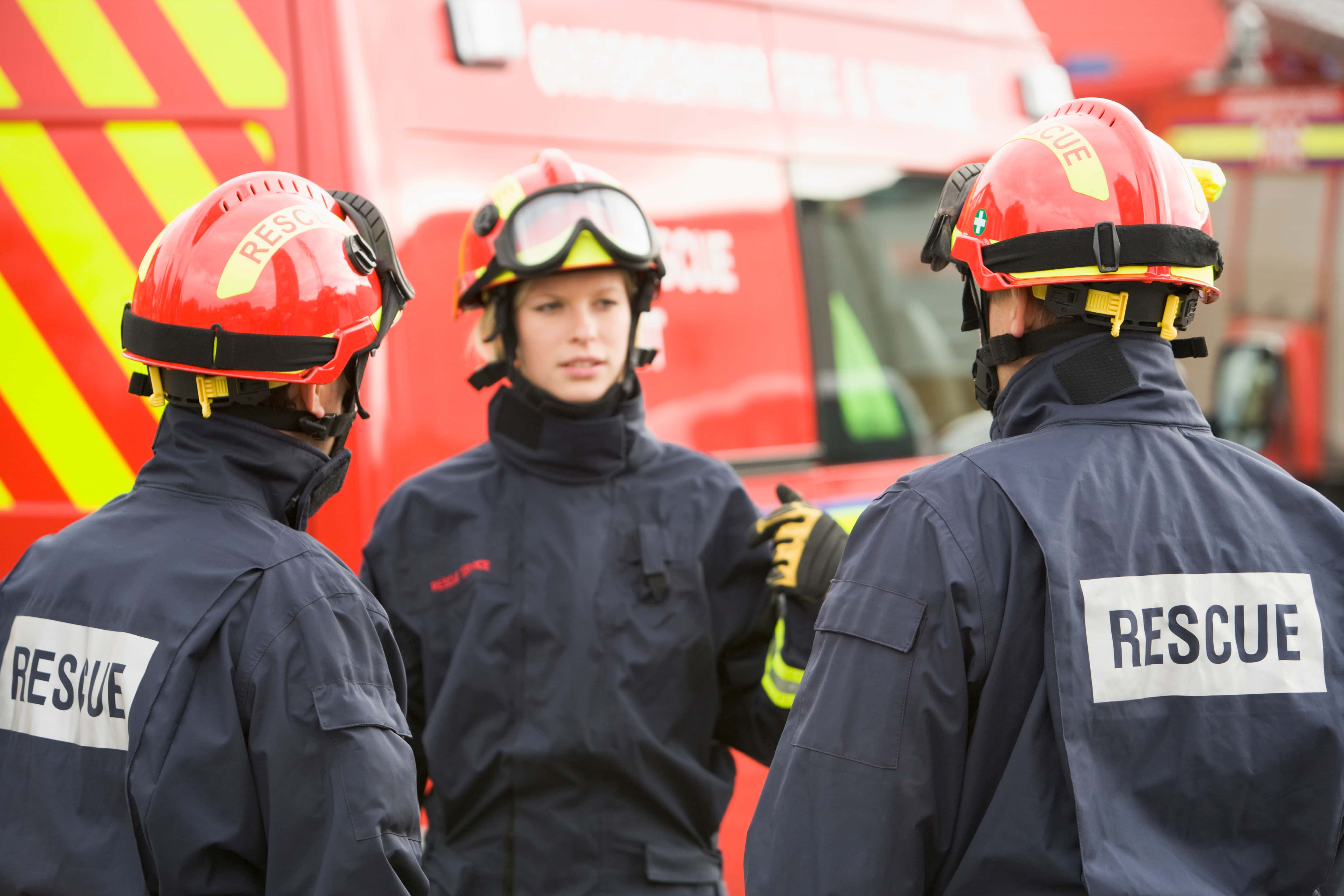
Security & Crowd Management
- Authoritative but approachable appearance
- High visibility in crowds
- Functional for active duties
- Weather-appropriate options
- Clear identification as security
Climate & Comfort Solutions
Advanced fabric technologies are essential for staff working in extreme Hajj season temperatures:
Phase Change Materials (PCM)
Outdoor service staff, transport workers, securityMicrocapsules that absorb and release heat to regulate body temperature
Moisture-Wicking Fabrics
All staff categories, especially active rolesAdvanced fibers that pull sweat away from skin for rapid evaporation
UV-Protective Treatments
Outdoor guides, transport staff, securityFabrics with UPF 50+ protection blocking harmful sun rays
Antimicrobial Silver Ion
All staff, especially high-contact rolesSilver-embedded fibers that prevent bacterial growth and odor
Lightweight Breathable Weaves
Hotel staff, guides, administrative rolesEngineered fabric structures maximizing airflow
Cultural Sensitivity
Uniforms for Hajj and Umrah services must demonstrate the highest respect for Islamic values and the sanctity of the Holy Cities:
Modest Design Standards
- Full-length options for all female staff
- Loose-fitting cuts that don't reveal body shape
- Hijab-compatible collar and neckline designs
- Appropriate sleeve lengths (full or three-quarter minimum)
- No sheer or revealing materials
Color Appropriateness
- Avoid colors associated with mourning (pure black for uniforms)
- Incorporate Islamic heritage colors (green, white, gold)
- Respect for the white Ihram worn by male pilgrims
- Department differentiation through accent colors
- Consider color visibility in crowded environments
Design Elements
- No images or logos that could be considered idolatrous
- Geometric patterns preferred over figurative designs
- Islamic calligraphy where appropriate
- Respect for the sacred nature of the environment
- Avoid flashy or distracting elements
Practical Considerations
- Easy ritual ablution (wudu) with sleeve designs
- Comfortable for prayer times
- Durable for the demands of the pilgrimage season
- Easy care for maintaining cleanliness
- Suitable for both indoor and outdoor environments
Implementation Timeline
Successful Hajj uniform programs require careful advance planning:
Planning (12-18 months before Hajj)
- Assess staff numbers and roles
- Define uniform requirements by department
- Budget allocation and approval
- Supplier selection and contracting
Design & Development (9-12 months before)
- Custom design development
- Sample production and testing
- Feedback collection from staff
- Design refinement and approval
Production (6-9 months before)
- Bulk production commencement
- Quality control processes
- Size distribution planning
- Accessory and footwear procurement
Distribution (2-3 months before)
- Individual staff measurements
- Uniform fitting sessions
- Distribution by department
- Spare inventory positioning
Hajj Season Operations
- Rapid replacement services
- Laundry and maintenance support
- Emergency uniform supplies
- Post-season collection and storage
Prepare for Hajj Season 2025
UNEOM has been the trusted uniform partner for Hajj and Umrah service providers for over 15 years. Start your planning early to ensure excellence in service.