
The Art of Chef Attire
The chef's uniform is more than just clothing—it's a symbol of culinary excellence, a practical tool for kitchen safety, and a visual representation of professionalism that has evolved over centuries. In Saudi Arabia's rapidly growing hospitality sector, understanding the nuances of chef uniform design is essential for any establishment that takes its culinary program seriously.

Why Chef Uniforms Matter
Safety
Protection from burns, spills, and kitchen hazards
Hygiene
Meeting food safety standards and regulations
Professionalism
Projecting expertise and culinary excellence
History & Tradition
The modern chef uniform has a rich history dating back to the mid-19th century. Understanding this heritage helps us appreciate why certain elements remain standard in professional kitchens worldwide.
Marie-Antoine Carême establishes the white chef coat
White symbolizes cleanliness and professionalism in the kitchen
Auguste Escoffier standardizes the kitchen brigade system
Uniform hierarchy reflects position and expertise
Introduction of heat-resistant and stain-repellent fabrics
Enhanced safety and practicality in professional kitchens
Modern performance fabrics and cultural adaptations
Balancing tradition with technology and cultural respect
Did You Know?
The traditional tall chef's hat (toque) was said to have 100 pleats, representing the 100 ways a chef can prepare an egg. While this is largely symbolic today, the toque remains a powerful symbol of culinary mastery.
Essential Uniform Components
Chef Coat (Jacket)
The cornerstone of chef attire, traditionally double-breasted for reversibility and protection
- Double-breasted design for spill coverage
- Thick cotton or poly-cotton blend
- Cloth-covered buttons (won't melt or chip)
- Long sleeves for arm protection
- Breathable underarm panels

Chef Pants
Designed for comfort during long shifts with safety features
- Loose fit for mobility and air circulation
- Traditional checkered or solid black patterns
- Elastic or drawstring waist
- Deep pockets for thermometers and tools
- Quick-release design for safety

Chef Hat (Toque)
Functional headwear that prevents hair contamination and absorbs sweat
- Tall pleated toque for executive chefs
- Skull caps for line cooks
- Disposable caps for food prep
- Breathable mesh options
- Height indicates rank traditionally
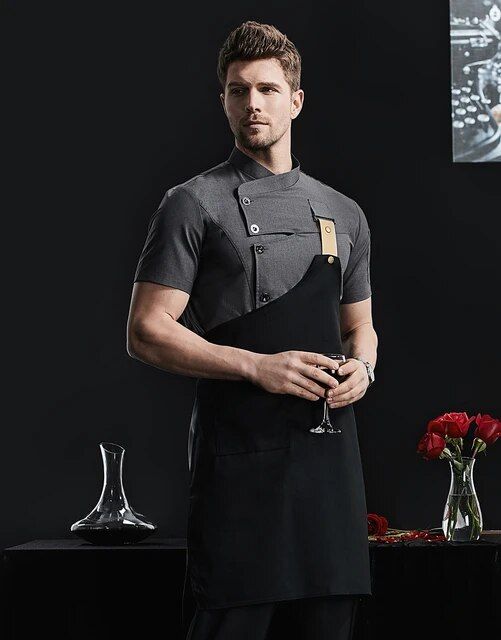
Apron
Additional protection layer for the lower body
- Bib aprons for full coverage
- Waist aprons for pastry chefs
- Waterproof options available
- Multiple pocket designs
- Adjustable neck and waist straps
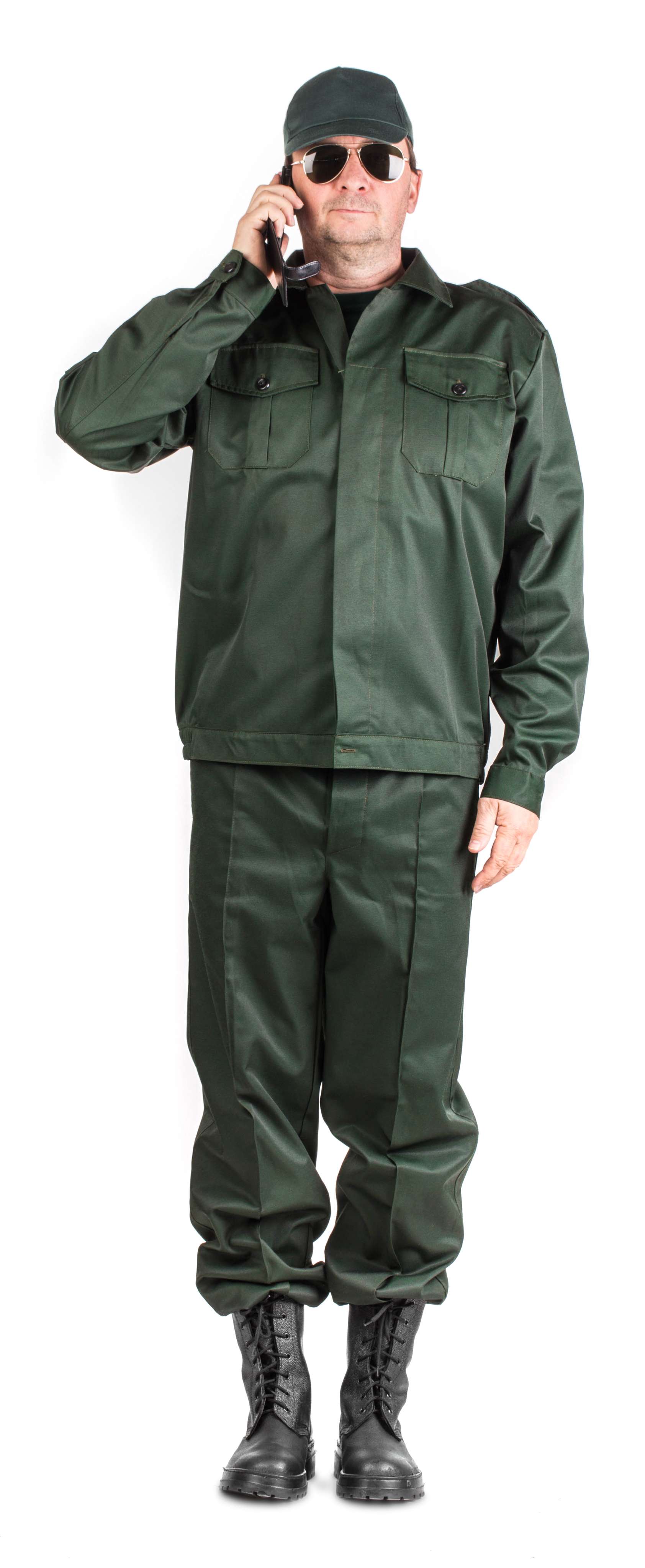
Kitchen Footwear
Safety shoes designed for kitchen environments
- Non-slip soles (essential)
- Steel or composite toe protection
- Water-resistant materials
- Closed-toe design
- Comfortable for 12+ hour shifts
Neckerchief
Traditional accessory that absorbs sweat and adds style
- Cotton or cotton blend
- Absorbs perspiration
- Color can indicate rank
- Easy to wash and replace
- Adds professional appearance
Fabric Technology & Safety
The right fabric choice can make the difference between a comfortable, productive kitchen team and one struggling with heat and discomfort. Here's a comprehensive comparison of fabric options:
| Fabric | Heat Resistance | Breathability | Durability | Best For |
|---|---|---|---|---|
| 100% Cotton | High | Excellent | Moderate | Traditional fine dining kitchens |
| Poly-Cotton Blend (65/35) | Moderate-High | Good | High | High-volume commercial kitchens |
| CoolMax® Technology | Moderate | Superior | High | Hot climate kitchens (Saudi Arabia) |
| Flame-Resistant Treated | Very High | Good | Very High | Open flame cooking, grills |
| Bamboo-Cotton Blend | Moderate | Excellent | Moderate | Eco-conscious establishments |
Kitchen Hierarchy Through Uniforms
In professional kitchens, uniforms communicate rank and responsibility at a glance. This visual hierarchy helps maintain order during the intense pace of service.
Executive Chef (Chef de Cuisine)
Uniform: Full white with tall toque (100 pleats traditionally)
Distinguishing Features: Gold or black piping, embroidered name, premium fabric
Sous Chef
Uniform: White coat with medium toque
Distinguishing Features: Silver piping, slightly shorter toque
Chef de Partie (Station Chef)
Uniform: White coat with skull cap or short toque
Distinguishing Features: Department color accents (pastry, garde manger, etc.)
Commis Chef (Junior Cook)
Uniform: White coat with skull cap
Distinguishing Features: Basic design, no embellishments
Kitchen Porter/Prep Cook
Uniform: Colored coat or apron with cap
Distinguishing Features: Non-white colors to differentiate
Saudi Arabian Considerations
Operating kitchens in Saudi Arabia presents unique challenges and opportunities. Here's how to adapt chef uniforms for the local context:
Climate Adaptation
Extreme heat in Saudi Arabia increases kitchen temperatures
Solutions:
- Moisture-wicking fabric technology
- Lightweight breathable materials
- Mesh ventilation panels
- Cooling collar inserts
- Short-sleeve options for prep areas
Cultural Modesty
Respecting Islamic dress codes while maintaining functionality
Solutions:
- Full-length sleeves as standard
- Modest neckline designs
- Hijab-compatible headwear for women
- Loose-fitting designs
- Extended length coats available
Halal Kitchen Requirements
Visual distinction for halal food preparation
Solutions:
- Color-coded aprons for halal stations
- Dedicated uniform sets for halal areas
- Clear labeling and identification
- Separate storage for halal kitchen uniforms
- Training on cross-contamination prevention
Local Cuisine Integration
Honoring Saudi culinary traditions
Solutions:
- Traditional embroidery options
- Saudi-inspired color accents
- Custom designs for Saudi restaurants
- Heritage pattern integration
- Arabic name embroidery
Hygiene & Safety Standards
SFDA (Saudi FDA) Requirements
- Clean uniforms worn only in kitchen
- Hair completely covered
- No jewelry except plain wedding band
- Closed-toe non-slip footwear
- Regular uniform changes (minimum daily)
HACCP Compliance
- Light-colored uniforms for contamination visibility
- Laundering at 60°C minimum
- Separate storage from street clothes
- Disposable elements where required
- Regular uniform inspections
International Hotel Standards
- Multiple uniform sets per employee
- Professional laundering services
- Daily uniform issue system
- Grooming standards enforcement
- Regular replacement schedule
Selection & Sizing Guide
Choose the right chef uniforms based on your venue type, budget, and operational needs:
| Venue Type | Recommended Style | Budget/Chef | Replacement |
|---|---|---|---|
| Fine Dining Restaurant | Traditional white double-breasted coat, tall toque, premium cotton | SAR 400-800 per chef | Every 6-12 months |
| Hotel Kitchen | Branded poly-cotton blend, professional headwear, coordinated aprons | SAR 300-600 per chef | Every 6-9 months |
| Catering Company | Durable easy-care fabrics, portable-friendly designs | SAR 250-500 per chef | Every 4-6 months |
| Fast Casual Restaurant | Modern chef coats, comfortable caps, branded aprons | SAR 200-400 per chef | Every 3-6 months |
| Industrial/Hospital Kitchen | High-durability fabrics, safety-focused design, disposable elements | SAR 300-500 per chef | Every 3-4 months |
Outfit Your Kitchen Team for Success
UNEOM provides premium chef uniforms to Saudi Arabia's finest hotels, restaurants, and catering companies. From traditional white coats to modern performance wear, we deliver quality that meets international standards.