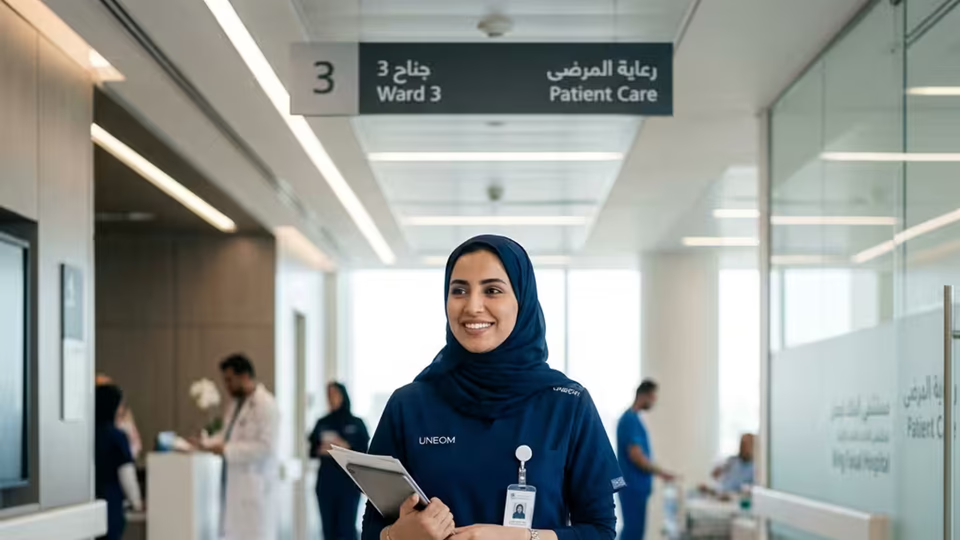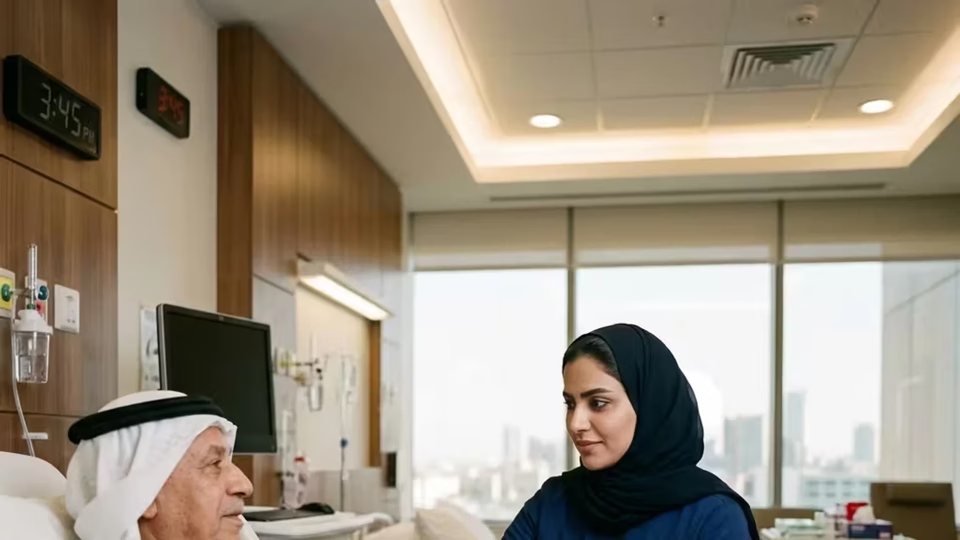
معايير الزي الصحي السعودي لمكافحة العدوى
التنقل في تداخل وزارة الصحة–هيئة الغذاء والدواء–ساسو: ما تحتاجه المستشفيات السعودية فعلاً من الأزياء السريرية.
د. فاطمة الشريف
مديرة النسيج الصحي
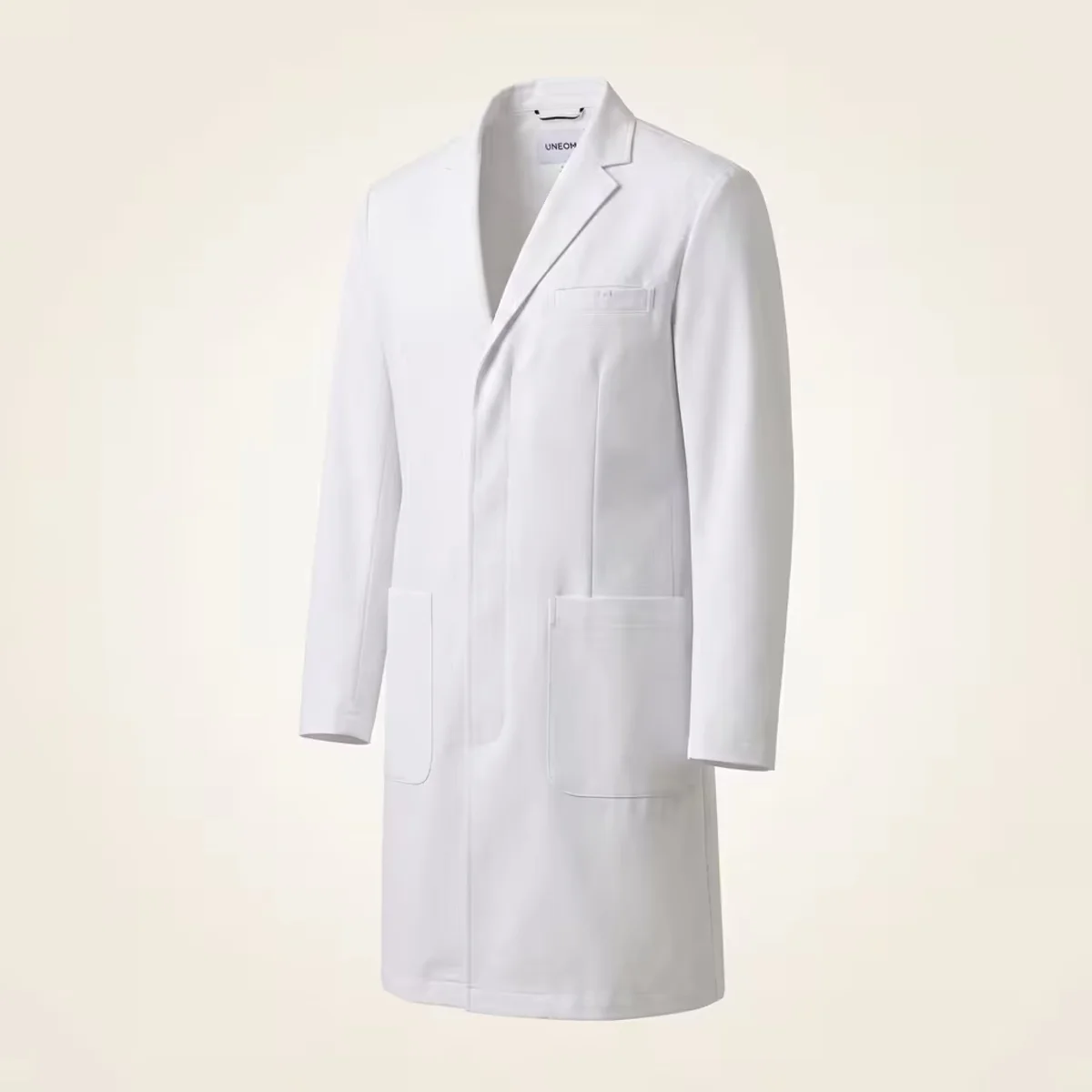
لا تنشر وزارة الصحة السعودية مواصفات أقمشة إلزامية للأزياء السريرية — وهذا بالضبط ما يجعل قرارات المشتريات صعبة. في غياب معيار واحد واضح، تتنقل المستشفيات بين الإطار السريري لوزارة الصحة ونظام تصنيف الأجهزة لهيئة الغذاء والدواء وعلامات جودة النسيج لساسو، وكل منها يغطي جانباً مختلفاً من أداء القماش. فهم أين تتداخل هذه الأطر وأين تترك فجوات وكيفية بناء مواصفات مشتريات ترضيها جميعاً هو الفارق بين برنامج زي ينجو من تدقيق سباهي وآخر يخلق تعرضاً للمخاطر.
ما تنشره وزارة الصحة (وما لا تنشره)
تنظم وزارة الصحة السعودية الممارسة السريرية وترخيص المنشآت وبروتوكولات مكافحة العدوى. يتناول دليلها الوطني للوقاية من العدوى ومكافحتها المُحدّث في 2023 نظافة اليدين وتطهير الأسطح وإدارة النفايات ومعدات الحماية الشخصية بتفصيل واسع. ما لا يتناوله بأي تحديد هو التركيب النسيجي للأزياء السريرية اليومية. تنص الإرشادات على أنه يجب على العاملين الصحيين ارتداء زي سريري نظيف ومناسب وأن الأزياء يجب غسلها بدرجات حرارة كافية للقضاء على الكائنات المُمرضة. لكنها تعامل السكراب أو معطف المختبر كقرار على مستوى المنشأة. هذا يخلق فجوة تنظيمية يجب على فرق المشتريات ملؤها بسياسة داخلية. تسد يونيوم هذه الفجوة بتحديد مقاييس أداء تتجاوز أصرم المعايير الدولية مع معالجة المتطلبات السعودية: فعالية مضادة للميكروبات تُحافظ عليها خلال 75 دورة غسيل صناعية عند 71 درجة مئوية، وأداء امتصاص الرطوبة بتصنيف 4.0 أو أعلى على مقياس AATCC 195، ومقاومة الأشعة فوق البنفسجية بتصنيف UPF 50+.
تداخل هيئة الغذاء والدواء
تدخل هيئة الغذاء والدواء السعودية في حوار النسيج الصحي من خلال تنظيمها للأجهزة الطبية — فئة تشمل منذ 2021 بعض المنتجات النسيجية المستخدمة في البيئات السريرية. تحديداً، أردية العزل والستائر الجراحية وأقمشة الحواجز تندرج تحت تصنيف الأجهزة الطبية. السكراب اليومي ومعاطف المختبر لا تندرج، ما لم تقدم ادعاءات طبية محددة. هذا يخلق معضلة عملية للمشتريات: إذا اشترت مستشفى سكراباً يُسوّق بخصائص مضادة للميكروبات، فقد يُحفّز تصنيف هيئة الغذاء والدواء كجهاز طبي فئة أولى. يكمن الحل في كيفية وصف الأداء المضاد للميكروبات. تدمج سكرابات يونيوم الصحية معالجة أيونات الفضة المضادة للميكروبات على مستوى الألياف أثناء التصنيع. لكننا نصف هذا كميزة أداء نسيجية وليس كادعاء طبي، مما يبقي المنتج ضمن تنظيم النسيج. يُتحقق من الأداء عبر اختبار مختبري مستقل وفق ISO 20743 وتُقدم شهادات الاختبار كتوثيق أداء وليس كشهادات امتثال أجهزة طبية.
ادعاءات مضادات الميكروبات وكيفية التحقق منها
سوق النسيج المضاد للميكروبات مشبع بادعاءات تتراوح من المُتحقق منها بدقة إلى المُختلقة تماماً. مسؤول المشتريات الذي يُقيّم سكراباً من خمسة موردين قد يواجه خمس تقنيات مختلفة، كلها تدّعي تقليل البكتيريا بنسبة 99.9%. السؤال الحاسم: تقليل تحت أي ظروف، بعد كم غسلة، ومُختبر من قِبل من؟ المعيار الذهبي هو ISO 20743:2021 الذي يحدد ثلاث طرق اختبار. تقدم يونيوم بروتوكول تحقق من أربع نقاط: أولاً طلب تقرير اختبار ISO 20743 الكامل وليس ملخصاً تسويقياً. ثانياً التحقق من أن مختبر الاختبار يحمل اعتماد ISO 17025. ثالثاً التأكد من أن الاختبار أُجري بعد المتانة المُدّعاة لدورات الغسيل. رابعاً التحقق من تسجيل العامل المضاد للميكروبات. أي مورد لا يستطيع تقديم توثيق يلبي المعايير الأربعة يجب استبعاده. في خبرة يونيوم بتدقيق المنتجات المنافسة، حوالي 40% من ادعاءات مضادات الميكروبات في السوق السعودي تفشل في نقطة واحدة على الأقل.
قائمة مراجعة المشتريات
بناءً على ثماني سنوات من مشتريات الأزياء الصحية عبر 34 مستشفى سعودياً، طورت يونيوم قائمة مراجعة مشتريات معيارية تغطي خمس فئات. أداء القماش يشمل شهادة اختبار مضاد للميكروبات وفق ISO 20743 بعد الغسيل، وتصنيف إدارة الرطوبة AATCC 195 بحد أدنى 4.0، وثبات اللون للغسيل الصناعي بحد أدنى الدرجة 4، ومقاومة التكوّر بحد أدنى الدرجة 4 عند 5000 دورة، واستقرار الأبعاد بحد أقصى 3% انكماش. جودة البناء تغطي نقاط الإجهاد المعززة بحد أدنى 2.5 كيلونيوتن قوة شد، وإغلاقات كبس مخفية تلغي الأزرار التي تؤوي البكتيريا. الامتثال الثقافي يعالج خيارات الحجاب المدمج وأطوال السترات التي توفر تغطية أثناء الانحناء. عمليات البرنامج تشمل خدمة تحديد المقاسات من 12 نقطة واتفاقية استبدال طوارئ 72 ساعة. المستشفيات التي تحافظ على هذه القائمة تُكمل بنود تدقيق سباهي المتعلقة بالأزياء في متوسط 15 دقيقة مقابل ساعتين أو أكثر بدون توثيق موحد.
الأسئلة الشائعة
- هل تفرض وزارة الصحة أقمشة سكراب محددة؟
- لا — تفرض وزارة الصحة النظافة السريرية والغسيل عند 71 درجة مئوية كحد أدنى لكنها لا تحدد تركيبة القماش. يجب ملء فجوة الأداء بمواصفات مشتريات المستشفى الداخلية.
- هل السكراب المضاد للميكروبات مصنف كجهاز طبي؟
- فقط إذا حملت ادعاءات طبية محددة. تصف يونيوم الأداء المضاد للميكروبات كميزة نسيجية، مما يبقي المنتج ضمن تنظيم النسيج ويتجنب تعقيدات مشتريات الأجهزة الطبية.
- كم غسلة يجب أن تتحمل المعالجة المضادة للميكروبات؟
- تحدد يونيوم 75 دورة غسيل صناعية عند 71 درجة مئوية — حوالي 12-15 شهراً من الاستخدام المستشفوي النموذجي.
- ما هو OEKO-TEX ولماذا يهم؟
- يشهد OEKO-TEX Standard 100 أن المنتج النسيجي خالٍ من المواد الضارة فوق العتبات المنظمة — حاسم للملابس المرتداة على الجلد لمدة 12 ساعة في البيئات السريرية.
- كيف تدعم يونيوم تدقيقات سباهي؟
- من خلال ملف الامتثال الموحد — وثيقة من أربعة أبواب توحد مواصفات القماش ومواءمة وزارة الصحة وحالة هيئة الغذاء والدواء وعمليات البرنامج في مرجع جاهز للتدقيق.